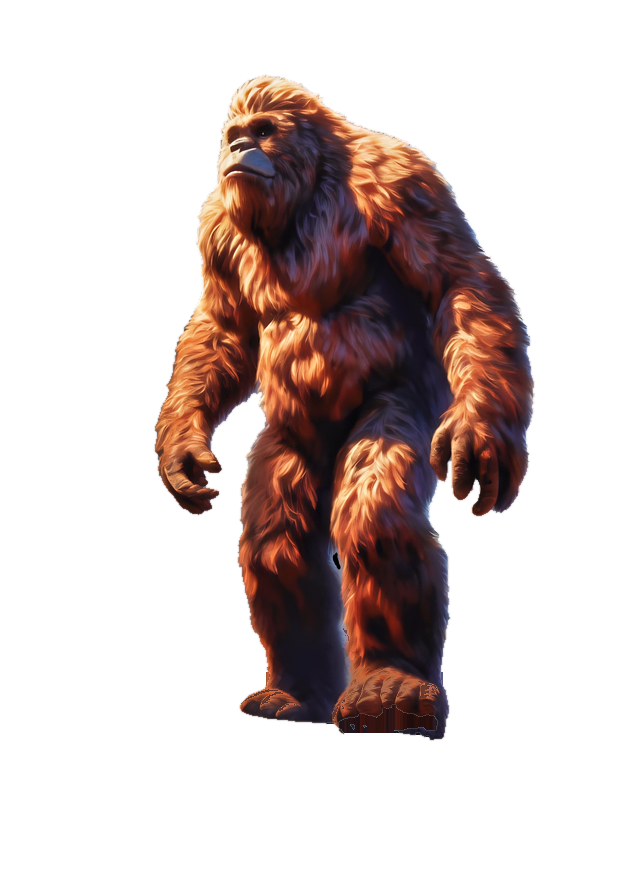
Fifteen pages. The name, the reports, the tracks, and where he sits next to Bigfoot and the yeti. Lore, not a sighting.
The lore
The Mogollon Monster™.
A tall figure the Rim already had.
Lore, not a sighting
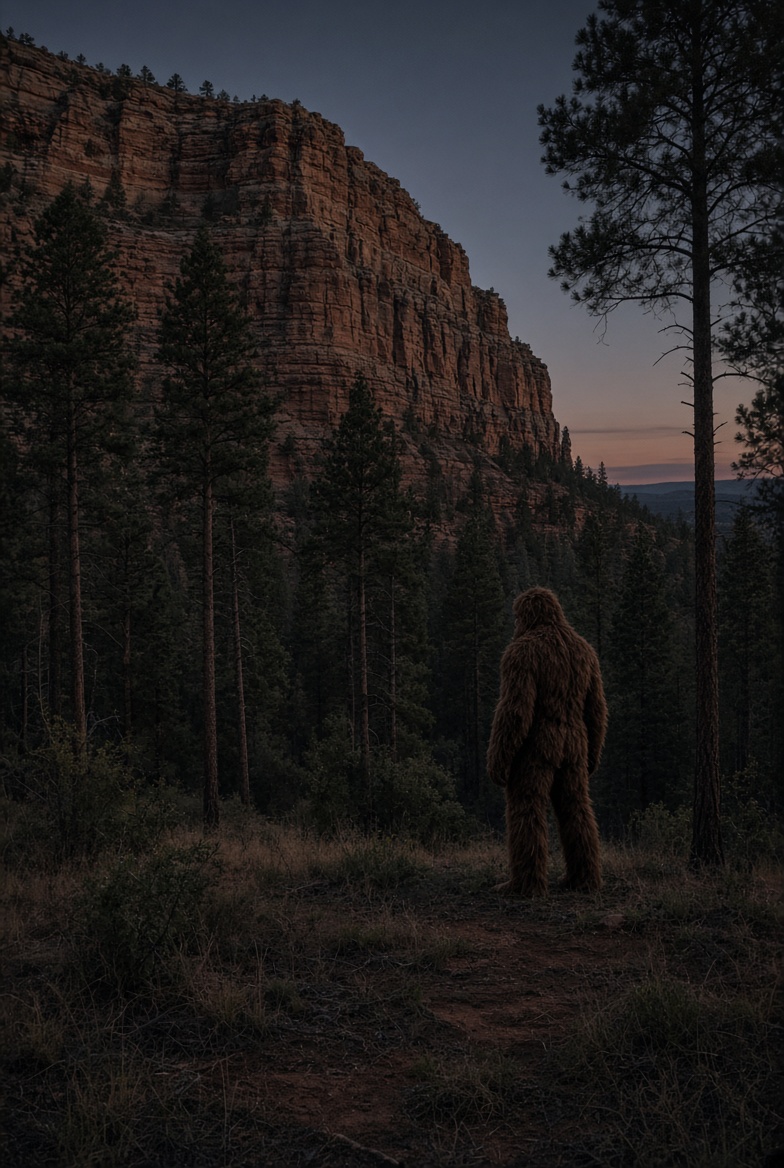
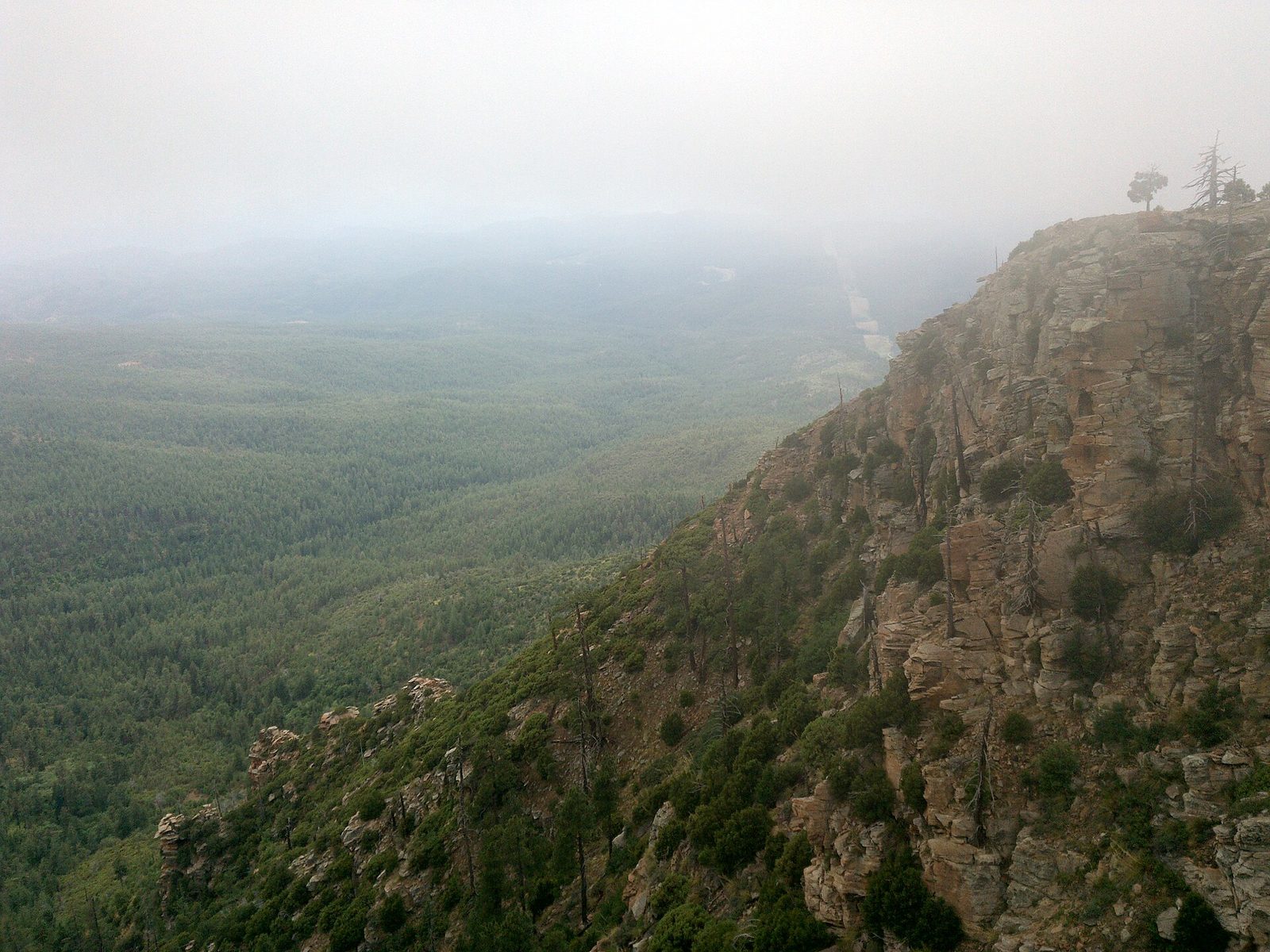
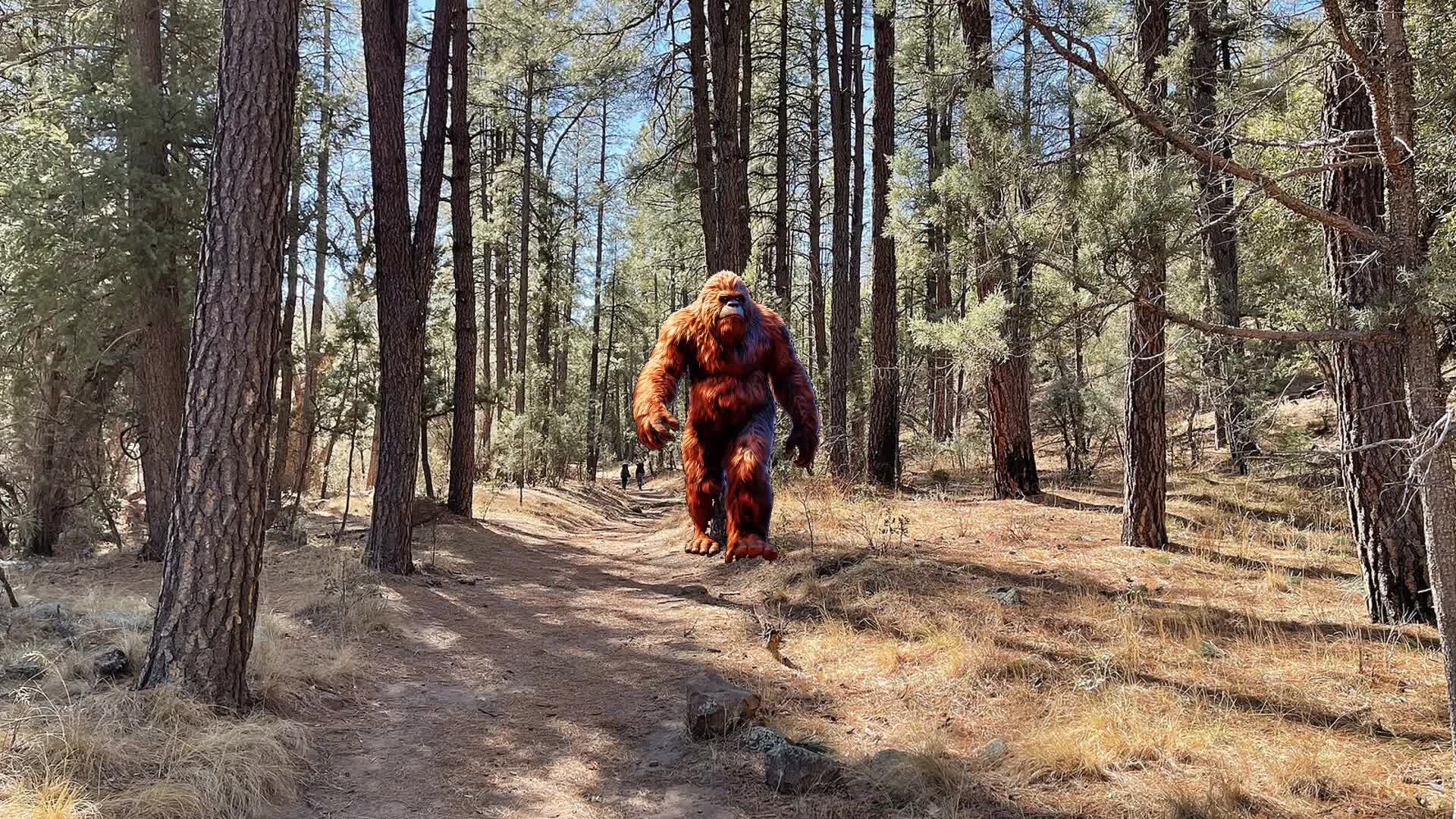
The Mogollon Monster™ is the story told along the cliff above Payson. He is not a town mascot. He is the figure people say walks the pines when the light goes.
This book is the lore. It is not a sighting, and it is not a promise. The walks, the lakes, and the bridge are still the reason to stop.
Fifteen pages. The name, the reports, the tracks, and where he sits next to Bigfoot and the yeti.
Mogollon is the cliff. Locals say it (mo-gee-On). The Rim was named for Juan Ignacio Flores Mogollón, a Spanish colonial governor of New Mexico, long before Payson had a highway.
The figure took the cliff’s name. He is the Rim’s story, not a brand that arrived with the pavement.
If you are new here, the name is the first thing to get right. The rest of the book is the rest of the story.
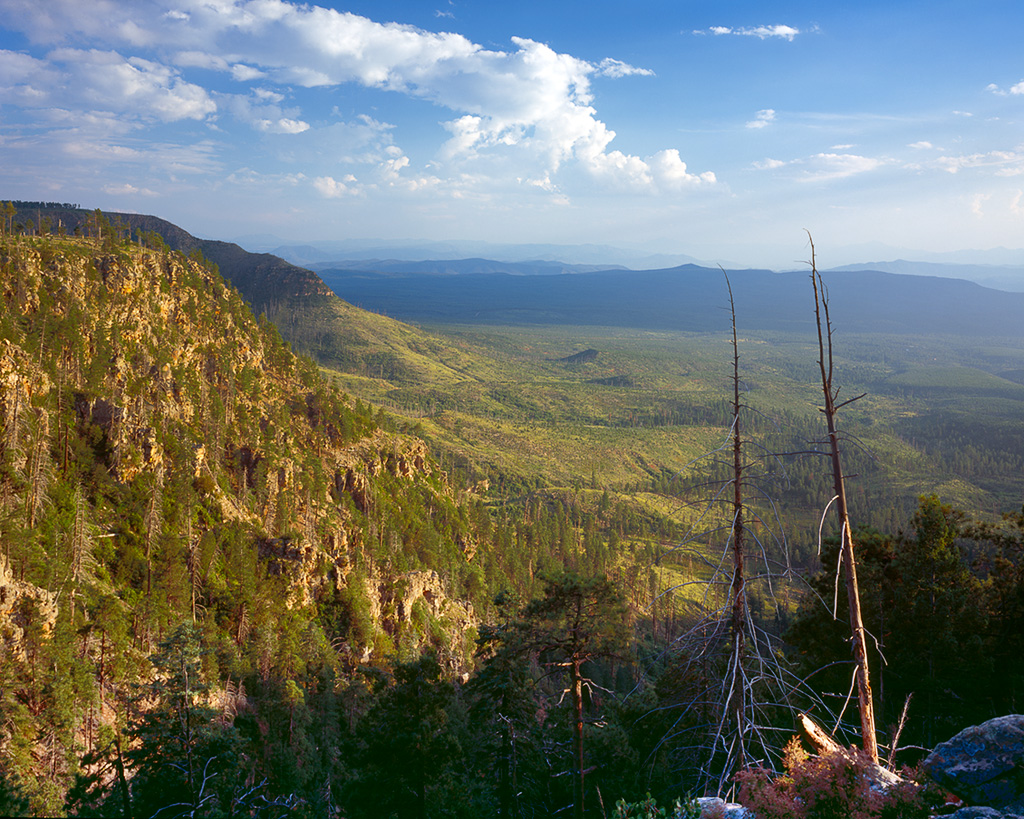
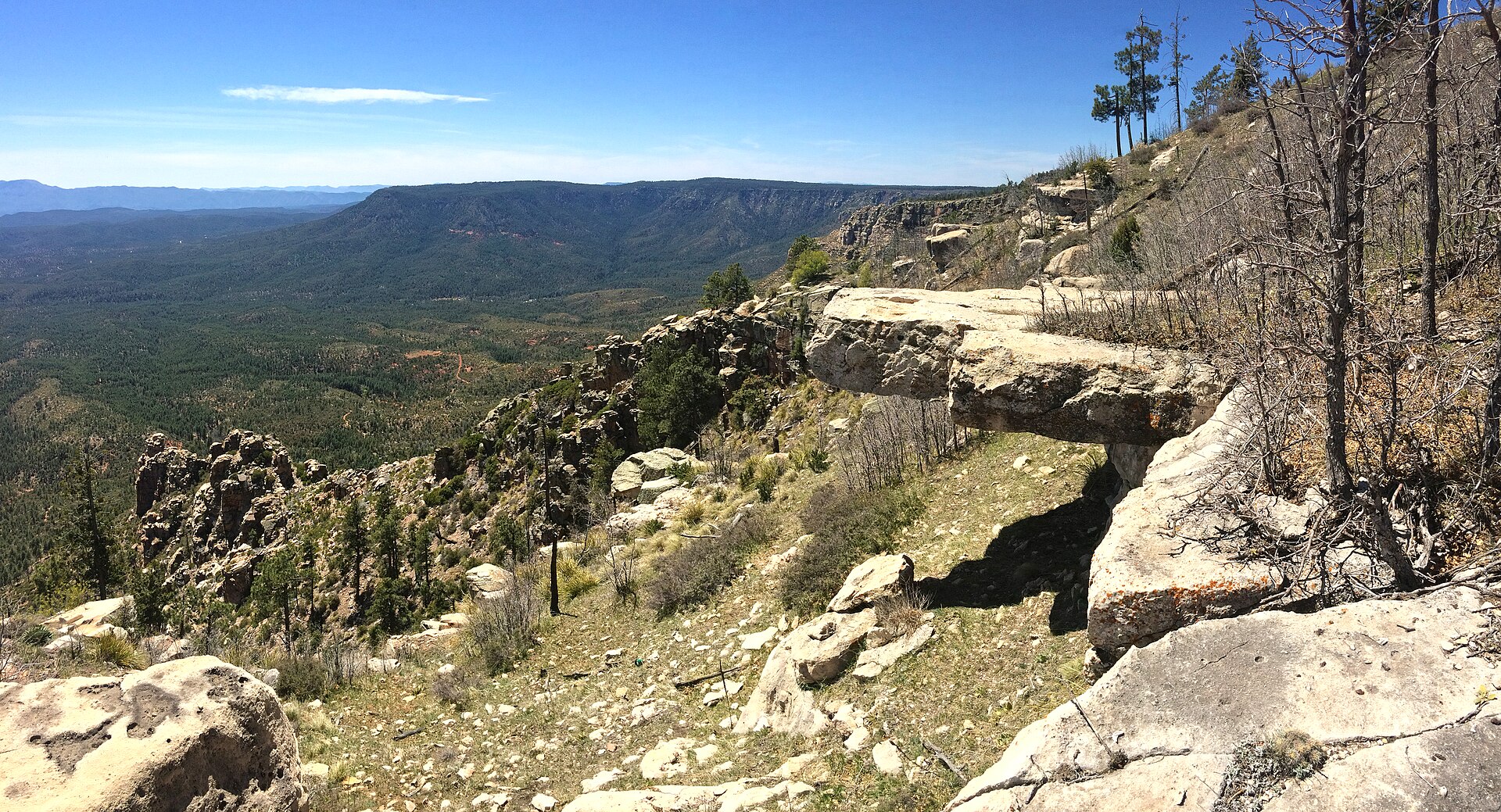
Payson sits just under the Mogollon Rim, inside the Tonto National Forest. The stories are not from the stoplights. They come from the pines above town, the forest roads toward Pine, the creeks, and the country east along the escarpment.
Ask ten people and you will get ten places. Nobody agrees on one canyon, because the story walks.
A pin on a map is not a sighting. It is a place the forest already had.
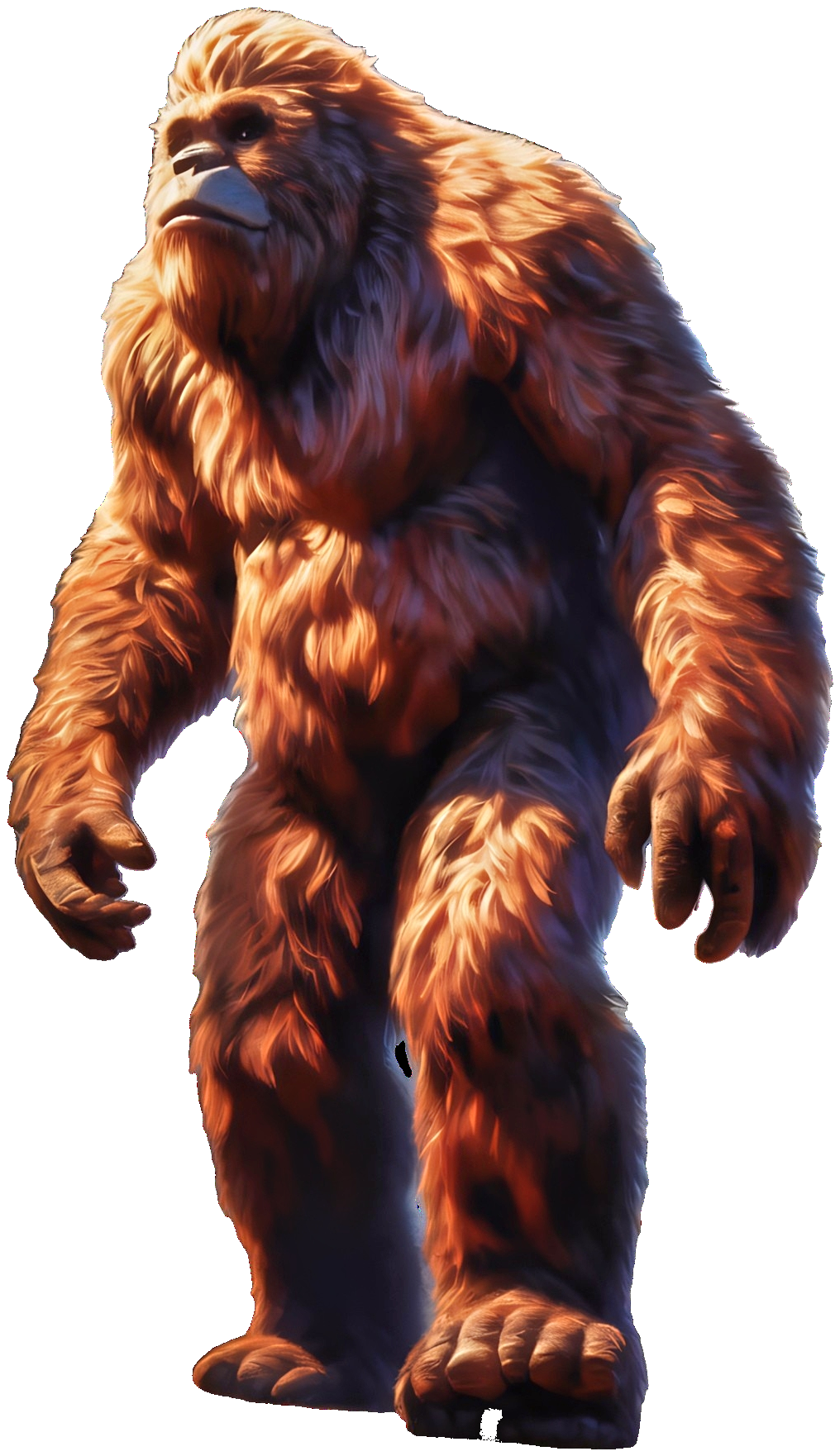
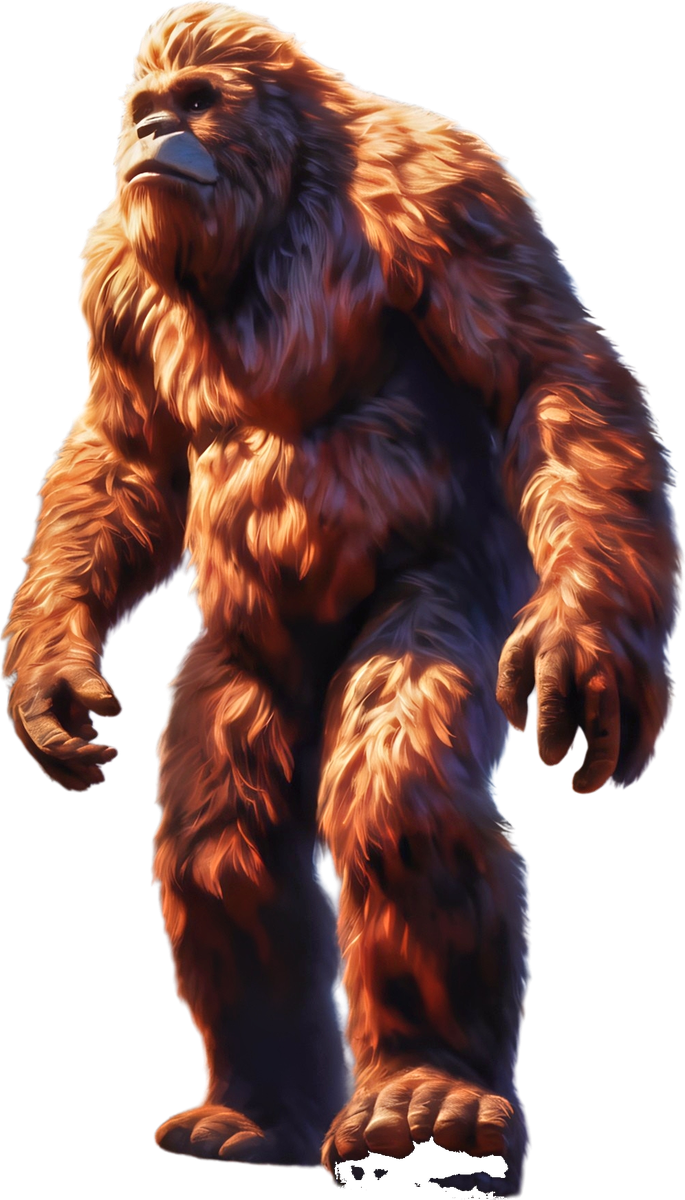
The stories are old, and they are told the same way. A tall shape at the edge of the trees, seven feet or more, covered in reddish-brown hair that looks black once the light goes.
Long arms. It walks on two feet and does not hurry. A smell gets there first, wet animal and rotten wood. Some people say a whistle or a scream carries through the pines before anything is seen.
Then the woods go quiet. That is the part every version keeps.
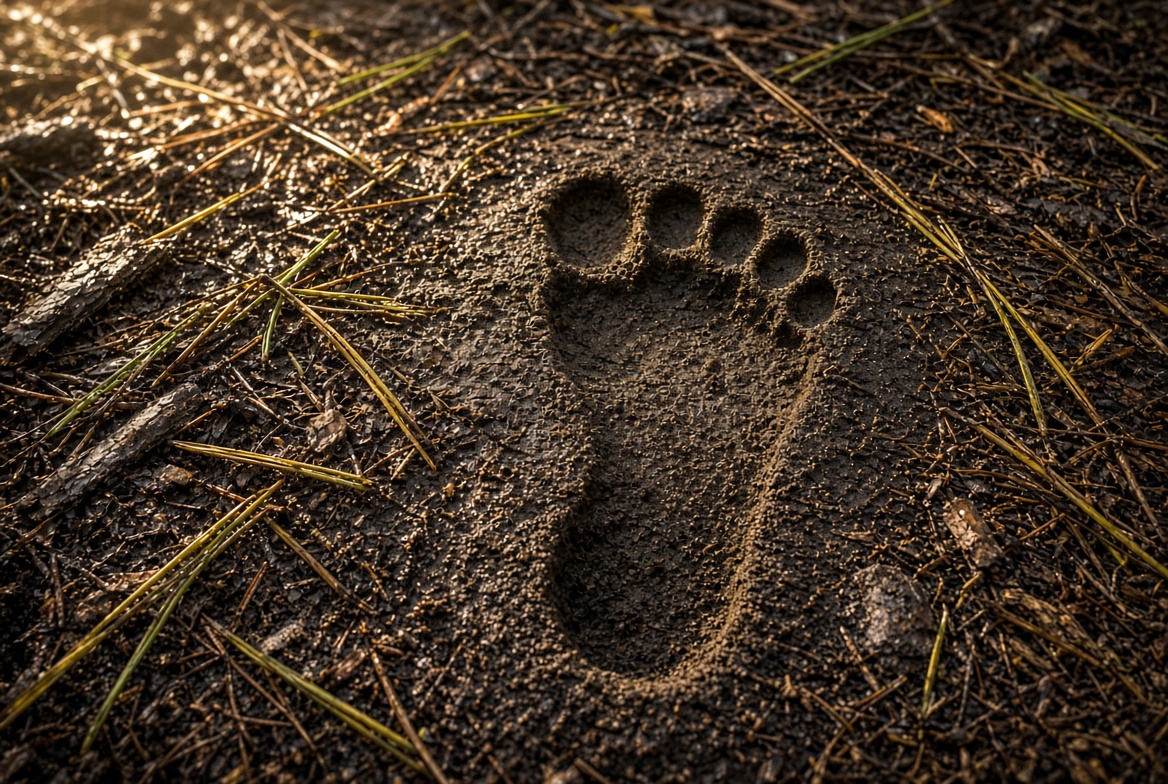
Five toes. No claw marks. Longer than a boot, and the stride is too long for a man. That is the track the stories describe.
A bear will show claws, and it does not walk a long stretch on its hind feet. An elk is tall, and then it is an elk.
The legend is the thing that is neither, and that does not stay long enough to settle the argument. A print in the mud is a story. It is not a specimen.
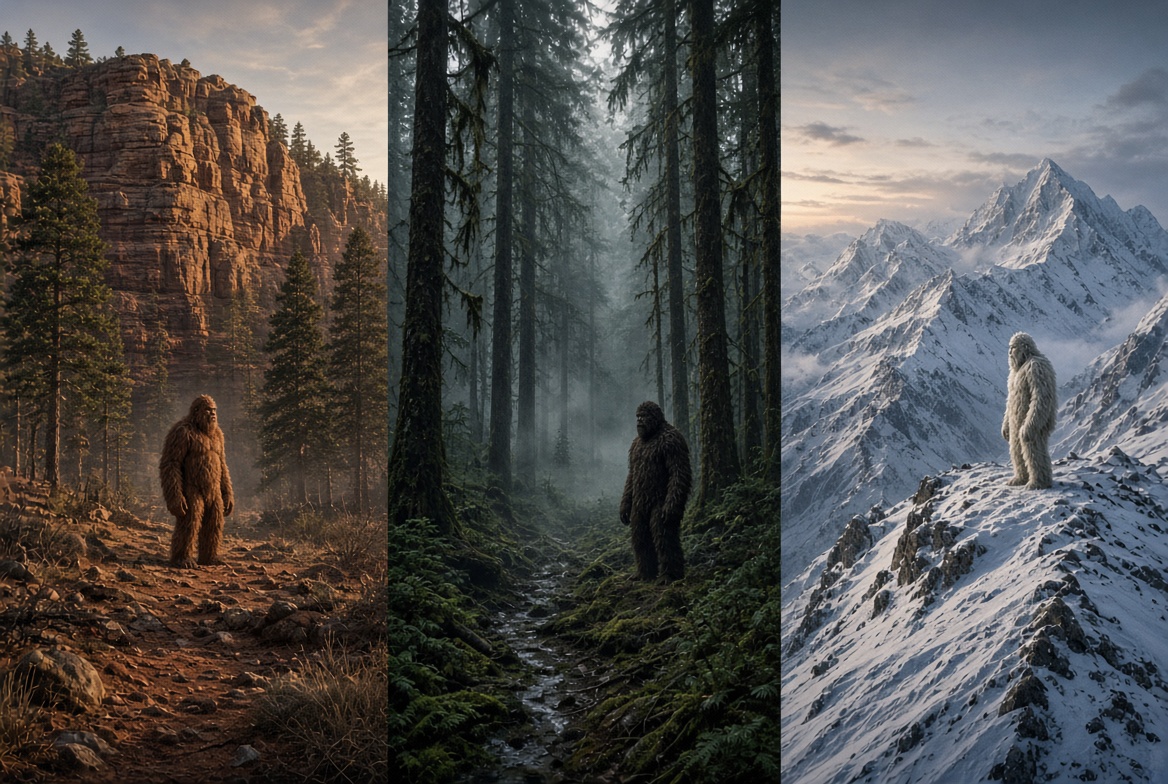
Bigfoot, or Sasquatch, is the tall hairy figure of the Pacific Northwest. Cedar, fern, and rain. The reports are the same shape: two feet, long arms, a smell, a track with five toes and no claws.
The Mogollon Monster™ is that story moved to the Rim. Ponderosa instead of cedar. A sandstone cliff instead of a fog bank. Reddish-brown instead of the dark brown the Northwest tells.
They are cousins in the folklore, not the same animal with two names. Each forest kept its own.
The yeti is the high-country cousin. Himalayan ridges, snow, and a pale or gray coat in the versions people draw. The reports are older than the American ones, and they belong to a different mountain.
What they share is the shape. A tall figure that walks on two feet, leaves a large track, and is gone before anyone gets a second look.
The Mogollon Monster™ does not live in the snow. He lives under a cliff in the pines. The yeti is the relative you mention when someone asks if this is “Arizona’s Bigfoot.” The honest answer is: related in the stories, at home on the Rim.
The Skunk Ape is the Florida version, told in swamp and palmetto. The Yowie is the Australian one, in eucalyptus country. The Alma is told in Central Asia. The Yeren is told in the mountains of China.
None of these is the Mogollon Monster™. They are the same kind of story, kept by different country. A tall figure at the edge of the trees, neither a bear nor a man, and gone.
Three things keep him from being a borrowed Bigfoot. The place is the Mogollon Rim, not the Cascades. The coat in the stories is reddish-brown, the color of the cliff and the ponderosa bark. The name is the cliff’s name.
He is told with the smell of wet animal and rotten wood, and with a whistle that carries. Those are the local details. They are what a Payson story keeps.
Call him the Mogollon Monster™. The other names are the relatives.
Hunters say it has crossed a forest road in two or three strides and not left a second look. One version has it stepping over the hood of a truck without touching the metal.
Another has a line of prints along a creek at first light, heading into the canyon and stopping where the rock takes over.
These are stories people still tell. They are not case files. Treat them as the lore they are.
Nothing in this book is a confirmed sighting. There is no specimen, no agreed canyon, and no photograph that settles it. That is how a forest legend stays a legend.
The site tells it that way on purpose. The monster is the story you take home. The trails are the reason you came.
If you want the longer page, it is on the monster page. If you want the game, it is the next turn.
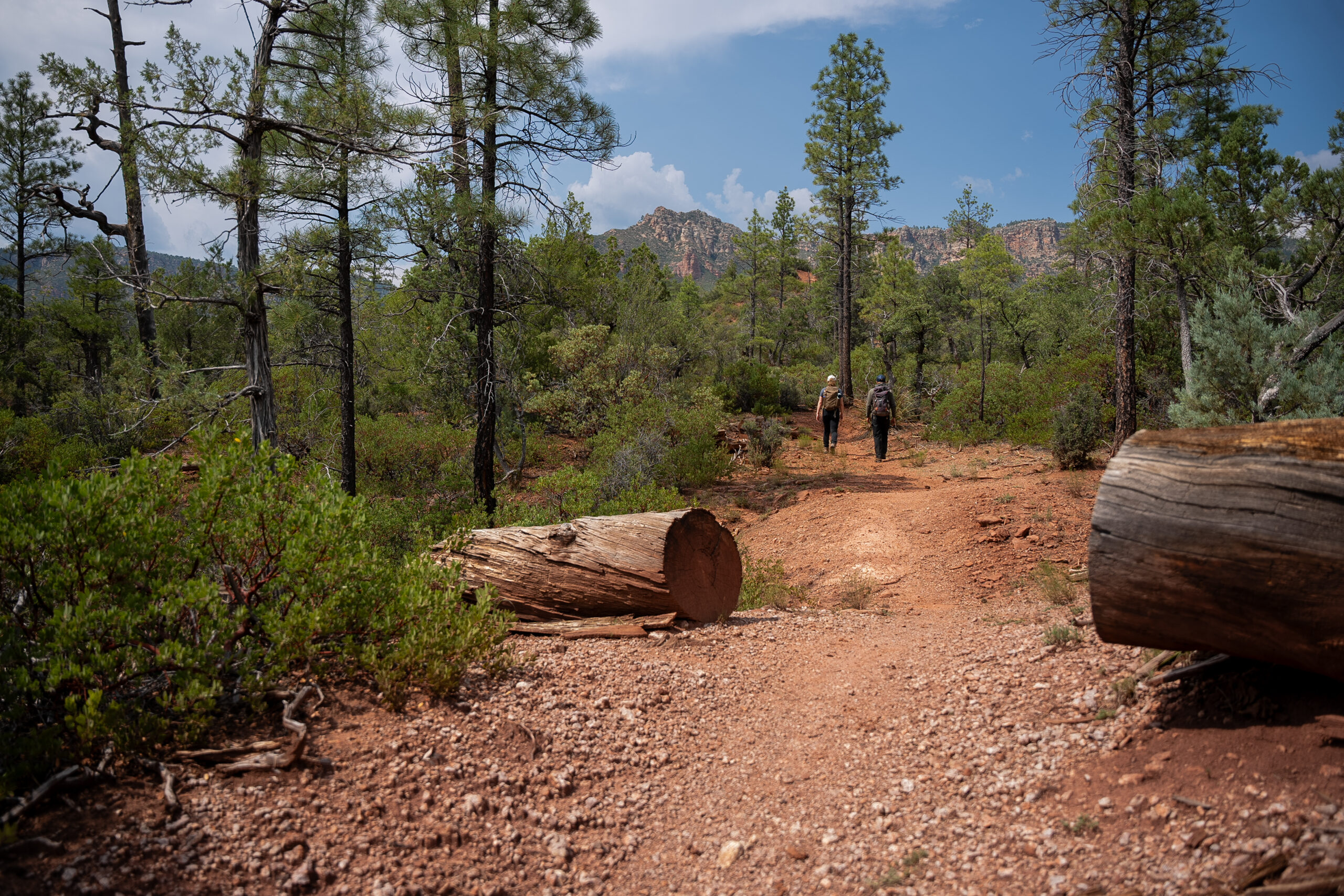
If you walk the Rim, walk it for the trail. Cell service drops. Forest roads close for snow, fire, and mud. Tell someone which road and when you expect to be back.
A bear is a bear. Give it room. An elk is an elk. The legend does not change either of those.
Confirm road status with the Payson Ranger District, (928) 474-7900, before you follow a pin. The Payson Area Trails System map is on the trails page. Save the PDF before you go.